
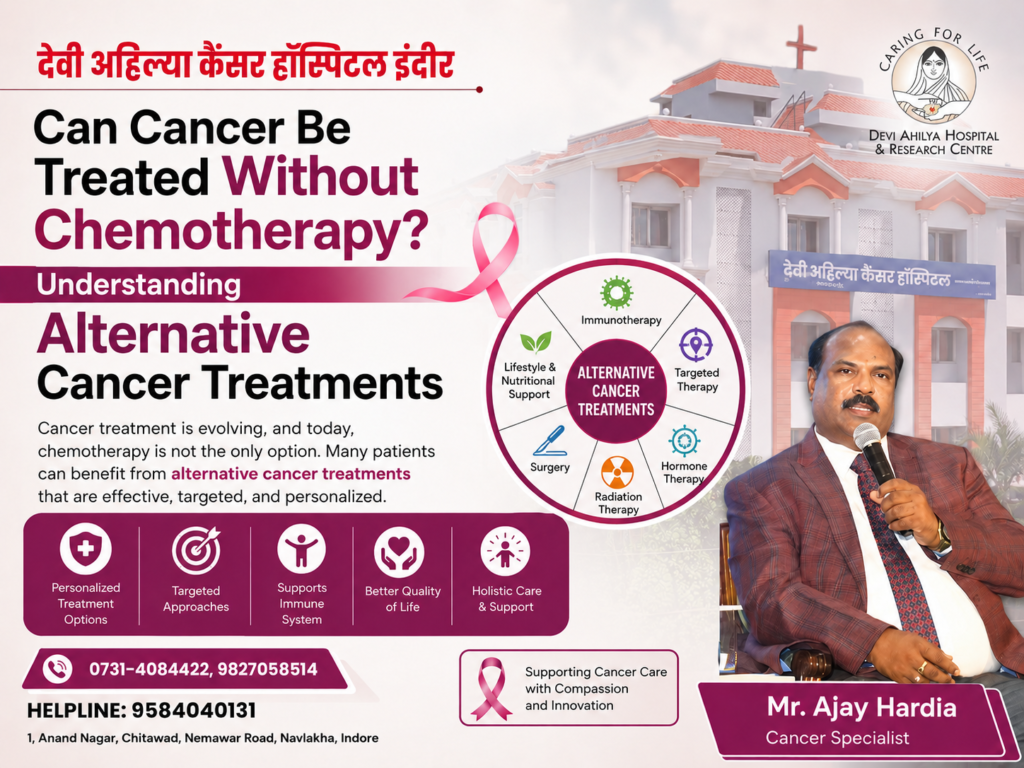
Cancer treatment has changed significantly over the years, and patients today may have several treatment options depending on the type, stage, location, molecular characteristics, and overall health. A common question among patients and families is: Can Cancer Be Treated Without Chemotherapy? The answer is yes, in some situations, because chemotherapy is not required for every cancer or every patient. However, whether chemotherapy can safely be avoided depends entirely on the individual cancer diagnosis and the evidence-based treatment plan recommended by the oncology team.
Can Cancer Be Treated Without Chemotherapy? In selected cancers, treatment may involve surgery, radiation therapy, immunotherapy, targeted therapy, hormone therapy, or other cancer-specific approaches. For some cancers, radiation may be the only treatment needed, while for others a combination of treatments may provide the best chance of controlling the disease.
Patients exploring Alternative Cancer Treatments should understand the important difference between evidence-based cancer therapies and complementary approaches. Complementary therapies such as meditation, yoga, massage, or acupuncture may sometimes help with wellbeing or treatment-related symptoms, but they should not automatically be considered substitutes for proven cancer treatment.
At a specialized Cancer Hospital in Indore, patients can discuss their diagnosis, treatment goals, potential benefits and side effects, and whether chemotherapy is actually necessary in their particular case. A personalized treatment plan is essential because cancer is not one single disease.
Can Cancer Be Treated Without Chemotherapy?
The question Can Cancer Be Treated Without Chemotherapy? does not have one answer for every patient. Cancer includes many different diseases, and treatment varies according to the cancer type and stage.
According to the National Cancer Institute, cancer treatment can include surgery, radiation therapy, chemotherapy, immunotherapy, targeted therapy, hormone therapy, stem cell transplantation, and other specialized approaches. Some patients receive only one treatment, while others require a combination of therapies.
Therefore, Can Cancer Be Treated Without Chemotherapy? In appropriate cases, yes. For example, some cancers may be effectively managed with surgery alone, while certain cancers may respond to radiation, hormone therapy, targeted therapy, or immunotherapy. In other situations, chemotherapy remains an important part of treatment and should not be omitted when it provides a meaningful benefit.
The decision should be based on medical evidence rather than fear of chemotherapy or promises of a guaranteed alternative cure.
When Can Cancer Treatment Be Given Without Chemotherapy?
Whether Can Cancer Be Treated Without Chemotherapy? depends on several important factors.
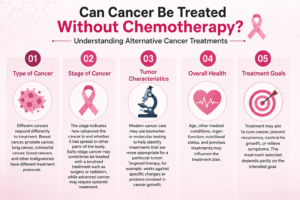
1. Type of Cancer
Different cancers respond differently to treatment. Breast cancer, prostate cancer, lung cancer, colorectal cancer, blood cancers, and other malignancies have different treatment protocols.
2. Stage of Cancer
The stage indicates how advanced the cancer is and whether it has spread to other parts of the body. Early-stage cancer may sometimes be treated with a localized treatment such as surgery or radiation, while advanced cancer may require systemic treatment.
3. Tumor Characteristics
Modern cancer care may use biomarker or molecular testing to help identify treatments that are more appropriate for a particular tumor. Targeted therapy, for example, works against specific changes or proteins involved in cancer growth.
4. Overall Health
Age, other medical conditions, organ function, nutritional status, and previous treatments may influence the treatment plan.
5. Treatment Goals
Treatment may aim to cure cancer, prevent recurrence, control its growth, or relieve symptoms. The treatment selected depends partly on the intended goal.
Cancer Treatment Options Without Chemotherapy
There are several evidence-based treatments that may be used instead of, or in some situations alongside, chemotherapy.
Surgery
Surgery is an important treatment for many solid tumors. It involves removing the cancerous tissue and, when necessary, some surrounding tissue or lymph nodes.
For certain localized cancers, surgery may be the primary treatment and chemotherapy may not be necessary.
Whether surgery alone is sufficient depends on factors such as:
- Cancer type
- Tumor size
- Tumor location
- Stage
- Lymph-node involvement
- Pathology findings
- Risk of recurrence
Patients considering Cancer Treatment Without Chemotherapy should discuss the pathology report and recurrence risk with their oncology team before deciding that chemotherapy can be avoided.
Radiation Therapy
Radiation therapy uses high doses of radiation to damage and destroy cancer cells. It can be used to cure some cancers, reduce the risk of recurrence, shrink tumors, or relieve symptoms caused by cancer.
For some patients, radiation therapy may be the primary treatment. In other situations, it may be combined with surgery, chemotherapy, immunotherapy, or another treatment.
Radiation may be delivered externally or through certain internal techniques depending on the cancer being treated.
For patients asking Can Cancer Be Treated Without Chemotherapy?, radiation therapy can be one of the evidence-based options considered when it is appropriate for the specific cancer.
Immunotherapy
Immunotherapy is a type of cancer treatment that helps the immune system recognize and fight cancer cells. Several immunotherapy approaches are used for different cancers.
Immunotherapy may be appropriate for certain patients based on cancer type, stage, biomarkers, previous treatment, and other factors.
It is important to understand that immunotherapy is not a universal replacement for chemotherapy. Some patients may receive immunotherapy alone, while others may receive it in combination with chemotherapy or other treatments.
Targeted Therapy
Targeted therapy works by focusing on specific proteins or molecular changes that help cancer cells grow, divide, or spread. It is an important part of precision cancer treatment.
Before targeted therapy is recommended, doctors may perform biomarker or molecular testing to determine whether the tumor has a suitable target.
For patients considering Cancer Treatment Without Chemotherapy, targeted therapy may be an option in selected cancers where an appropriate molecular target is identified.
Hormone Therapy
Some cancers depend on hormones to grow. Hormone therapy can slow or stop the growth of hormone-sensitive cancers.
It is commonly used in selected breast and prostate cancers and may be used alone or together with other treatments.
The decision to use hormone therapy depends on the biological characteristics of the cancer and the patient’s individual treatment plan.
Understanding Alternative Cancer Treatments
The term Alternative Cancer Treatments can mean different things to different people. Medically, alternative medicine refers to treatments used instead of standard medical care, while complementary medicine refers to approaches used alongside standard treatment.
This distinction is extremely important.
Some complementary approaches may help patients cope with symptoms or treatment-related stress. Examples may include:
- Meditation
- Yoga
- Acupuncture
- Massage therapy
- Relaxation techniques
- Mind-body practices
- Supportive nutrition
However, these approaches should not automatically be described as cancer cures.
The National Cancer Institute states that no special diet, food, vitamin, mineral, supplement, herb, or combination has been proven to slow cancer, cure cancer, or prevent it from returning.
Therefore, patients should discuss any Alternative Cancer Treatments with their oncology team before starting them.
Complementary vs Alternative Cancer Treatments
Understanding the difference between complementary and alternative care can help patients make safer decisions.
Complementary Treatment
Complementary treatment is used alongside standard cancer treatment.
For example, a patient receiving standard cancer treatment may use relaxation techniques or acupuncture to help manage certain symptoms, where appropriate.
Alternative Treatment
Alternative treatment is used instead of standard cancer treatment.
This is a major distinction because replacing an evidence-based cancer treatment with an unproven therapy may delay effective care.
The goal of Alternative Cancer Treatments should therefore be discussed carefully with a qualified medical professional, particularly when the treatment is being considered as a substitute for surgery, radiation, chemotherapy, immunotherapy, or targeted therapy.
Can Cancer Be Treated Without Chemotherapy in Early-Stage Cancer?
For some early-stage cancers, Can Cancer Be Treated Without Chemotherapy? Yes, depending on the cancer type and pathology.
Some localized cancers may be treated with surgery, radiation, or another cancer-specific treatment. In certain cases, doctors may use pathology and biomarker information to determine whether additional systemic treatment is necessary.
However, early-stage cancer does not automatically mean chemotherapy can be avoided.
A treatment decision may depend on:
- Tumor size
- Tumor grade
- Lymph-node involvement
- Cancer subtype
- Molecular characteristics
- Surgical margins
- Risk of recurrence
- Patient’s overall health
Therefore, the treatment plan should be individualized rather than based only on cancer stage.
Can Cancer Be Treated Without Chemotherapy in Advanced Cancer?
When cancer has spread to distant parts of the body, treatment often requires systemic therapy because cancer cells may be present throughout the body.
However, Can Cancer Be Treated Without Chemotherapy? can still be considered in selected advanced cancers where other effective systemic treatments are available.
Depending on the cancer, these may include:
- Immunotherapy
- Targeted therapy
- Hormone therapy
- Certain specialized treatments
- Clinical trials
- Radiation for symptom control
- Surgery in selected circumstances
The choice depends on the cancer’s molecular characteristics, previous treatments, overall health, and treatment goals.
Can Cancer Be Treated Without Chemotherapy Using Natural Remedies?
Many patients search online for natural or herbal approaches when they are concerned about chemotherapy. It is important to distinguish between supporting general wellbeing and treating cancer itself.
There is currently no evidence that a special diet, herb, vitamin, mineral, or supplement can independently cure cancer. Some supplements may also interact with cancer medicines or affect how treatment works.
Therefore, Alternative Cancer Treatments should never be started as a replacement for medically recommended cancer treatment without discussing the decision with the treating oncology team.
A balanced diet, appropriate physical activity, adequate sleep, emotional support, and symptom management can be valuable parts of supportive cancer care, but they are different from treatments proven to eliminate cancer.
Risks of Replacing Standard Cancer Treatment
Patients asking Can Cancer Be Treated Without Chemotherapy? should understand that avoiding chemotherapy is not always safer.
If chemotherapy is recommended because it provides an important chance of cure or disease control, replacing it with an unproven therapy may allow cancer to progress.
The National Cancer Institute has reported evidence that patients with certain nonmetastatic cancers who chose alternative medicine instead of conventional treatment had worse survival outcomes.
Possible risks of delaying effective treatment include:
- Cancer progression
- Spread to other organs
- Loss of treatment opportunity
- Increased symptoms
- Reduced treatment options
- More complicated treatment later
- Lower chance of successful disease control
This is why patients should discuss concerns about chemotherapy openly with their oncology team rather than stopping or avoiding prescribed treatment without medical guidance.
How Doctors Decide Whether Chemotherapy Is Necessary
A cancer specialist may consider several factors before recommending chemotherapy.
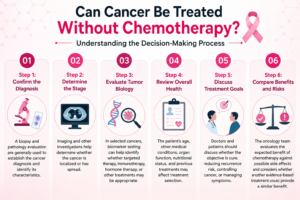
Step 1: Confirm the Diagnosis
A biopsy and pathology evaluation are generally used to establish the cancer diagnosis and identify its characteristics.
Step 2: Determine the Stage
Imaging and other investigations help determine whether the cancer is localized or has spread.
Step 3: Evaluate Tumor Biology
In selected cancers, biomarker testing can help identify whether targeted therapy, immunotherapy, hormone therapy, or other treatments may be appropriate.
Step 4: Review Overall Health
The patient’s age, other medical conditions, organ function, nutritional status, and previous treatments may affect treatment selection.
Step 5: Discuss Treatment Goals
Doctors and patients should discuss whether the objective is cure, reducing recurrence risk, controlling cancer, or managing symptoms.
Step 6: Compare Benefits and Risks
The oncology team evaluates the expected benefit of chemotherapy against possible side effects and considers whether another evidence-based treatment could provide a similar benefit.
Benefits of Evidence-Based Cancer Treatment
A personalized cancer treatment plan can provide several important benefits:
- Treatment selected according to cancer type
- Better understanding of disease stage
- Identification of appropriate treatment options
- Assessment of recurrence risk
- Opportunity for biomarker-based treatment
- Appropriate management of symptoms
- Monitoring of treatment response
- Better coordination between specialists
- Reduced risk of inappropriate treatment decisions
- Long-term follow-up and supportive care
For patients exploring Cancer Treatment Without Chemotherapy, the most important benefit is making the decision based on the specific diagnosis rather than relying on generalized claims.
Recovery and Support During Cancer Treatment
Cancer treatment can affect physical, emotional, and nutritional wellbeing. Supportive care is therefore an important part of comprehensive cancer management.
Patients may benefit from:
- Balanced nutrition
- Adequate hydration
- Appropriate physical activity
- Adequate sleep
- Psychological support
- Family support
- Symptom management
- Regular follow-up
- Medication review
- Communication with the oncology team
Some complementary approaches may help with certain symptoms or treatment-related stress when used safely alongside standard treatment.
Patients considering Alternative Cancer Treatments should inform their doctor about every supplement, herbal product, special diet, or complementary therapy they are using.
Why Choose a Specialized Cancer Hospital in Indore?
Choosing an appropriate cancer care centre is an important decision because cancer treatment often requires multiple specialties and coordinated care.
A specialized Cancer Hospital in Indore may provide access to:
- Cancer diagnosis
- Pathology services
- Imaging investigations
- Surgical consultation
- Medical oncology
- Radiation oncology
- Supportive care
- Treatment monitoring
- Follow-up care
- Multidisciplinary treatment planning
Patients looking for Cancer Treatment in Indore should ask questions about the cancer diagnosis, available evidence-based treatments, expected benefits, potential side effects, and whether a second opinion would be useful.
About Devi Ahilya Cancer Hospital
Devi Ahilya Cancer Hospital is presented as a cancer-care facility in Indore, Madhya Pradesh, with a focus on cancer treatment and supportive care. The information provided by the hospital describes a 100-bed facility and emphasizes its infrastructure, clinical team, and treatment services.
For patients researching Cancer Treatment in Indore, it is important to evaluate any treatment approach according to established medical evidence and the patient’s individual diagnosis.
Claims about a treatment being capable of curing cancer without standard medical treatment should be discussed with an appropriately qualified oncology professional before making treatment decisions.
Meet Our Outstanding Team
Dr. Ajay Hardia – Director
Dr. Ajay Hardia is presented in the supplied hospital information as the Director of Devi Ahilya Hospital & Research Centre and the National Institute of Electro Homoeopathy.
According to the supplied information, he has been involved in healthcare and related educational organizations for several years. His work has focused on cancer care and the development of the institution’s treatment approach.
For patients researching Alternative Cancer Treatments, it is important to understand that individual treatment decisions should be based on a confirmed cancer diagnosis and consultation with qualified cancer specialists.
Patients should also ask whether a proposed treatment has been evaluated in well-designed clinical studies and whether it is recognized as an evidence-based treatment for their particular type and stage of cancer.
How to Choose the Right Cancer Treatment?
When considering Can Cancer Be Treated Without Chemotherapy?, patients should ask their oncology team several important questions.
1. What type of cancer do I have?
Understanding the exact cancer type is the foundation of treatment planning.
2. What is my cancer stage?
The stage helps determine whether the cancer is localized or has spread.
3. Is chemotherapy necessary in my case?
Ask what benefit chemotherapy is expected to provide and whether it is intended to cure the cancer, reduce recurrence, or control disease.
4. Are there evidence-based alternatives?
Depending on the diagnosis, ask whether surgery, radiation, immunotherapy, targeted therapy, hormone therapy, or another treatment may be appropriate.
5. Do I need biomarker testing?
For selected cancers, biomarker testing may help identify targeted or immune-based treatment options.
6. What are the risks of delaying treatment?
This question is particularly important if a patient is considering Alternative Cancer Treatments instead of recommended standard treatment.
Professional Approach to Cancer Care
Cancer care requires careful diagnosis, individualized treatment planning, and regular monitoring. The most appropriate treatment should be selected according to scientific evidence, cancer characteristics, and the patient’s personal circumstances.
Modern oncology may combine different treatment approaches. Surgery, radiation therapy, chemotherapy, immunotherapy, and targeted therapy are not necessarily competing treatments; they may be used individually or in combination depending on the cancer.
Research continues to develop treatments that may be more targeted and less toxic for selected patients, but treatment decisions should still be based on reliable clinical evidence.
For patients considering Cancer Treatment Without Chemotherapy, a second opinion from a qualified oncologist can be helpful when there is uncertainty about the recommended treatment.
Summary
The question Can Cancer Be Treated Without Chemotherapy? is important, but the answer depends on the individual cancer diagnosis. Chemotherapy is not required for every cancer, and some patients may be treated successfully with surgery, radiation therapy, immunotherapy, targeted therapy, hormone therapy, or another appropriate approach.
At the same time, chemotherapy should not be rejected simply because alternative therapies are promoted as natural or safer. The treatment that provides the best chance of controlling or curing cancer depends on cancer type, stage, tumor biology, overall health, and treatment goals.
Alternative Cancer Treatments should be clearly distinguished from evidence-based cancer treatment. Complementary therapies may sometimes help patients cope with symptoms or treatment-related stress, but there is no reliable evidence that special diets, herbs, supplements, or similar approaches can independently cure cancer.
Patients searching for Cancer Treatment in Indore should discuss all available options with a qualified cancer specialist before making treatment decisions. A personalized treatment plan can help patients understand whether chemotherapy is necessary or whether another evidence-based treatment may be appropriate.
Frequently Asked Questions (FAQs)
1. Can Cancer Be Treated Without Chemotherapy?
Yes, some cancers can be treated without chemotherapy, depending on the cancer type, stage, tumor characteristics, and treatment goals. Surgery, radiation therapy, immunotherapy, targeted therapy, or hormone therapy may be appropriate in selected cases.
2. What are Alternative Cancer Treatments?
Alternative Cancer Treatments are treatments used instead of standard medical cancer treatment. These may include certain special diets, herbal products, supplements, or other nonstandard approaches. Many have not been proven to cure cancer, so patients should discuss them with their oncology team before use.
3. Can cancer be cured naturally without chemotherapy?
There is no scientific evidence that a special diet, herb, vitamin, supplement, or natural remedy can independently cure cancer. Patients should not replace proven cancer treatment with an unproven natural therapy.
4. Is radiation therapy an alternative to chemotherapy?
Radiation therapy is an evidence-based cancer treatment and may be used instead of chemotherapy for selected cancers or in combination with other treatments. Whether it can replace chemotherapy depends on the individual cancer.
5. Can immunotherapy be used instead of chemotherapy?
For selected cancers, immunotherapy may be used alone or with other treatments. However, it is not suitable for every patient and depends on cancer type, stage, biomarkers, and other clinical factors.
6. Can targeted therapy replace chemotherapy?
In some cancers with specific molecular targets, targeted therapy may be an important treatment option and can sometimes be used without conventional chemotherapy. Biomarker testing may help determine whether targeted therapy is appropriate.
7. Should I stop chemotherapy and try Alternative Cancer Treatments?
Patients should not stop prescribed cancer treatment without discussing it with their oncologist. Replacing standard treatment with an unproven therapy can delay effective care and may allow the cancer to progress.
8. What is Cancer Treatment Without Chemotherapy?
Cancer Treatment Without Chemotherapy refers to cancer management using other appropriate treatments such as surgery, radiation therapy, immunotherapy, targeted therapy, hormone therapy, or other evidence-based approaches when chemotherapy is not indicated.
9. How do doctors decide whether chemotherapy is necessary?
Doctors consider cancer type, stage, pathology, tumor characteristics, biomarkers, overall health, previous treatment, and treatment goals before deciding whether chemotherapy should be included.
10. Where can I discuss Cancer Treatment in Indore?
Patients looking for Cancer Treatment in Indore should consult a qualified cancer specialist or multidisciplinary cancer team. They can review the diagnosis, stage, pathology, available evidence-based treatments, and whether chemotherapy or another approach is appropriate.
Conclusion: Can Cancer Be Treated Without Chemotherapy?
The answer to Can Cancer Be Treated Without Chemotherapy? is yes for some patients, but not for everyone. Cancer treatment must be individualized according to the type and stage of cancer, tumor biology, overall health, and treatment goals.
Modern evidence-based cancer care provides several treatment options, including surgery, radiation therapy, immunotherapy, targeted therapy, and hormone therapy. In selected cases, these treatments may be used without chemotherapy.
However, patients should be cautious about unproven Alternative Cancer Treatments that claim to cure cancer naturally or without medical treatment. Complementary approaches may sometimes support wellbeing, but they should not replace treatments that have been proven to treat a particular cancer.
If you are considering Cancer Treatment Without Chemotherapy, discuss your pathology report, cancer stage, treatment options, expected benefits, and potential risks with a qualified oncologist. For patients seeking Cancer Treatment in Indore, a detailed medical evaluation and evidence-based treatment plan can help guide safer and more informed decisions.