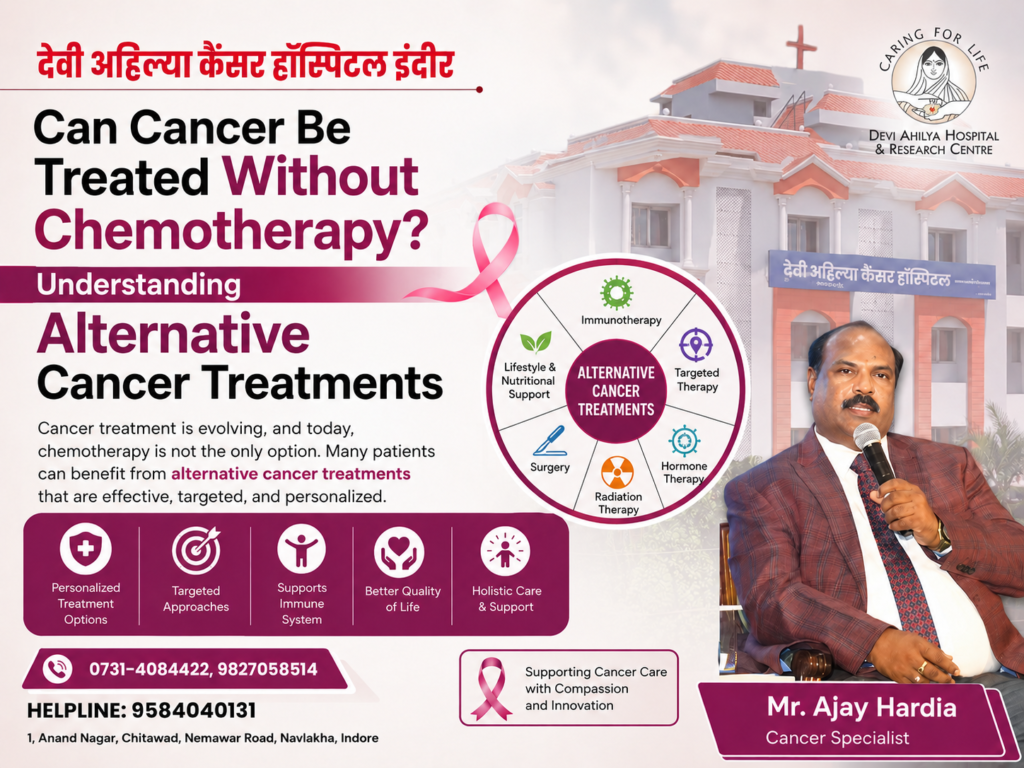
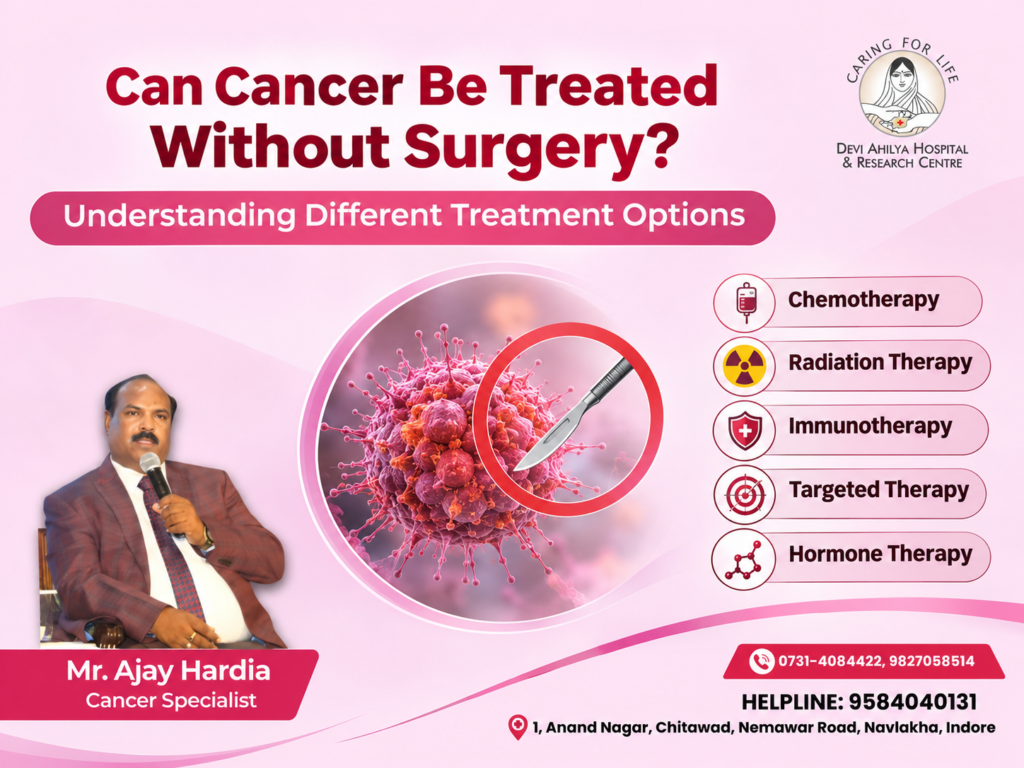
Can Cancer Be Treated Without Surgery? Understanding Different Treatment Options
ancer treatment has advanced significantly over the years, offering patients several treatment options depending on the type, stage, location, and biological characteristics of the disease. One common question among patients and families is: Can Cancer Be Treated Without Surgery? The answer is yes, in certain situations. For patients researching Cancer Treatment in Indore, understanding non-surgical treatment options can help them make informed decisions. People living in Anand Nagar, Chitawad, Teen Imli, Sajan Nagar, Navlakha, Palda, Musakhedi, and nearby areas may also want to understand when surgery is necessary and when another treatment may be appropriate. Cancer Treatment Without Surgery does not mean avoiding all medical treatment. Depending on the diagnosis, patients may require medicines, radiation sessions, diagnostic investigations, and regular follow-up. The main goal is to choose a treatment that provides the best possible outcome while considering potential risks and quality of life. Can Cancer Be Treated Without Surgery? The question Can Cancer Be Treated Without Surgery? does not have one answer for every patient. Cancer includes many different diseases, and each type responds differently to treatment. Some blood cancers are primarily treated with medicines rather than surgery. Certain localized cancers may be treated with radiation therapy, while other cancers may respond to targeted therapy, immunotherapy, or hormone therapy. For patients exploring Non-Surgical Cancer Treatment, the decision depends on the cancer type, stage, tumor characteristics, and treatment goals. In some cases, non-surgical treatment may provide an effective alternative to an operation. In others, surgery may offer the best chance of removing the tumor and controlling the disease. Therefore, patients should not reject surgery or select an alternative treatment without discussing the expected benefits and risks with their oncology team. When Can Cancer Treatment Be Given Without Surgery? Whether Cancer Treatment Without Surgery is suitable depends on several important factors. 1. Type of Cancer Different cancers respond differently to treatment. 2. Stage of Cancer The stage indicates how far cancer has progressed and whether it has spread to other parts of the body. 3. Tumor Characteristics Pathology reports and biomarker testing can help doctors understand the biological characteristics of a tumor. Some cancers have molecular changes that make targeted therapy or immunotherapy appropriate. 4. Overall Health A patient’s age, existing medical conditions, organ function, nutritional status, and ability to tolerate treatment may influence the recommended approach. 5. Treatment Goals Treatment may aim to cure cancer, reduce the risk of recurrence, control disease progression, or relieve symptoms. The appropriate treatment depends partly on these goals. Patients looking for a Cancer Specialist in Indore should discuss these factors before deciding whether surgery is necessary. Cancer Treatment Options Without Surgery Several evidence-based approaches may be used without surgery in selected cases. The suitability of each option depends on the specific cancer diagnosis. Radiation Therapy Radiation therapy uses high-energy radiation to damage cancer cells and prevent them from growing and dividing. It can be used to cure certain cancers, reduce recurrence risk, shrink tumors, or relieve symptoms. For selected cancers, radiation therapy may serve as the primary treatment without an operation. In other cases, it may be combined with chemotherapy or another treatment. Patients researching Non-Surgical Cancer Treatment in Indore should ask their doctor whether radiation therapy is appropriate for their specific diagnosis. Chemotherapy Chemotherapy uses medicines to kill cancer cells or slow their growth. It may be given intravenously or orally, depending on the treatment regimen. For certain cancers, chemotherapy is the main treatment. In other situations, it is combined with radiation therapy, surgery, immunotherapy, or targeted therapy. Possible side effects include fatigue, nausea, changes in blood counts, and hair loss with certain medicines. The type and severity of side effects vary between patients. Immunotherapy Immunotherapy helps the immune system recognize and fight cancer cells. It may be suitable for selected cancers depending on their type, stage, biomarker findings, and previous treatments. Some patients receive immunotherapy without surgery, while others need a combination of treatments. Immunotherapy is not suitable for every cancer and requires medical monitoring. Targeted Therapy Targeted therapy focuses on specific proteins or molecular changes involved in cancer growth. Doctors may recommend biomarker testing to determine whether a particular medicine is likely to work. In some cancers, targeted therapy may control the disease without surgery. However, this option is available only when the cancer’s characteristics support its use. Hormone Therapy Some breast and prostate cancers depend on hormones to grow. Hormone therapy works by reducing hormone production or blocking hormone effects on cancer cells. For selected patients, it can be an important part of Cancer Treatment Without Surgery. Its suitability depends on the cancer’s hormone sensitivity, stage, and overall treatment goals. Chemoradiation Chemoradiation combines chemotherapy and radiation therapy. It may be used as the primary treatment for certain cancers, including selected cancers of the cervix, head and neck, and anal region. For some patients, this approach may avoid an operation. The decision depends on the diagnosis, expected outcomes, and response to treatment. Other Specialized Treatments Certain patients may be eligible for specialized treatments such as radiofrequency ablation, cryoablation, photodynamic therapy, or radiopharmaceutical therapy. These approaches are appropriate only for specific indications and should not be considered universal alternatives to surgery. Clinical trials may also provide access to investigational treatments for eligible patients. Can Cancer Be Treated Without Surgery in Early-Stage Cancer? For some early-stage cancers, Can Cancer Be Treated Without Surgery? Yes, depending on the cancer type and the expected response to treatment. Certain localized cancers may be treated with radiation or another cancer-specific approach. Doctors consider pathology findings, tumor location, size, grade, and other clinical factors before recommending a treatment plan. Important factors include: Tumor size and location Cancer type and subtype Tumor grade Lymph-node involvement Biomarker results Risk of recurrence Expected response to radiation or medicines Overall health of the patient Early-stage cancer does not automatically mean surgery can be avoided. Patients should ask their oncology team to explain the expected benefits, risks, and long-term outcomes of both surgical and non-surgical approaches. Can Cancer Be Treated Without Surgery in